Research
My master's project asked why Helicobacter pylori infection keeps the gastric mucosa inflamed, and whether restoring the Nrf2 antioxidant response could interrupt that. I designed the study, established and characterised the infected chronic gastritis mouse model, ran the intervention experiments in GES-1 gastric epithelial cells — including pharmacological Nrf2 inhibition to test whether the effect depended on the pathway — did the statistics and figures, and wrote the paper as sole first author.
In the same group I was a key participant in an NSFC-funded project on how Porphyromonas endodontalis and H. pylori CagA damage the gastric mucosal barrier in gastric carcinogenesis, responsible for animal model construction and endpoint assays, and I contributed to several NSFC grant applications. I kept doing bench research during residency: on ferroptosis in colorectal cancer, and on primary cells from surgical specimens in a project on hyperparathyroidism.
What I want to work on next
How gastric and intestinal microbes damage the mucosal barrier and contribute to cancer; how the host epithelium defends itself, through pathways such as Nrf2; and questions that connect these mechanisms back to surgical oncology.
Methods I use
Mouse models of chronic gastritis and intestinal injury, from induction and grouping through intervention, tissue harvest and endpoint assays. Cell culture with drug or cytokine treatment. Western blot, RT-qPCR, immunohistochemistry, immunofluorescence and flow cytometry. Statistics and figures in GraphPad Prism; figure assembly in Adobe Illustrator.
Publications
- Role and mechanism of miR-3188 in the malignant biological behaviour of gastric cancer cells [in Chinese]
- Dracorhodin perchlorate sensitizes colorectal cancer to ferroptosis by activating HMOX1 and inhibiting the SLC7A11/GPX4 axis
- Succinate pretreatment attenuates intestinal ischemia-reperfusion injury by inhibiting necroptosis and inflammation via upregulating Klf4
- 6′-O-Galloylpaeoniflorin attenuates Helicobacter pylori-associated gastritis via modulating Nrf2 pathway Sole first author
- BRCC36 promotes intestinal mucosal barrier injury caused by BMP2 after ischemia reperfusion via inhibiting PPARγ signaling
Training
-
2023–2026
Three-year national residency programme in surgery
Xinqiao Hospital, ChongqingTrained mainly in breast and thyroid surgical oncology, with rotations in gastrointestinal, thoracic and orthopaedic surgery and anaesthesiology. Performed or first-assisted in more than 750 operations, about two-thirds of them for breast and thyroid cancer, and presented cases at multidisciplinary tumour boards. Certified in August 2026.
-
2020–2023
Master of Medicine (MMed), Clinical Medicine (Surgery) — research master's degree
South China University of Technology, Guangzhou, one of China's leading research universitiesLaboratory work at Xinqiao Hospital, Chongqing, supervised by Prof. Chaojun Zhang. Thesis on oxidative stress and Nrf2 signalling in H. pylori-associated chronic gastritis.
-
2012–2017
Bachelor of Medicine, Clinical Medicine
North Sichuan Medical College, NanchongFive-year programme; MBBS-equivalent primary medical degree.
Qualifications
- Licensed physician, People's Republic of China; passed the National Medical Licensing Examination
- Completion of national residency training in surgery, Chongqing Municipal Health Commission, 2026
- Totally implantable venous access port placement, competency certificate, China Medicine Education Association, 2026
- Master of Medicine degree and graduation certificates, South China University of Technology, 2023
Figure preparation
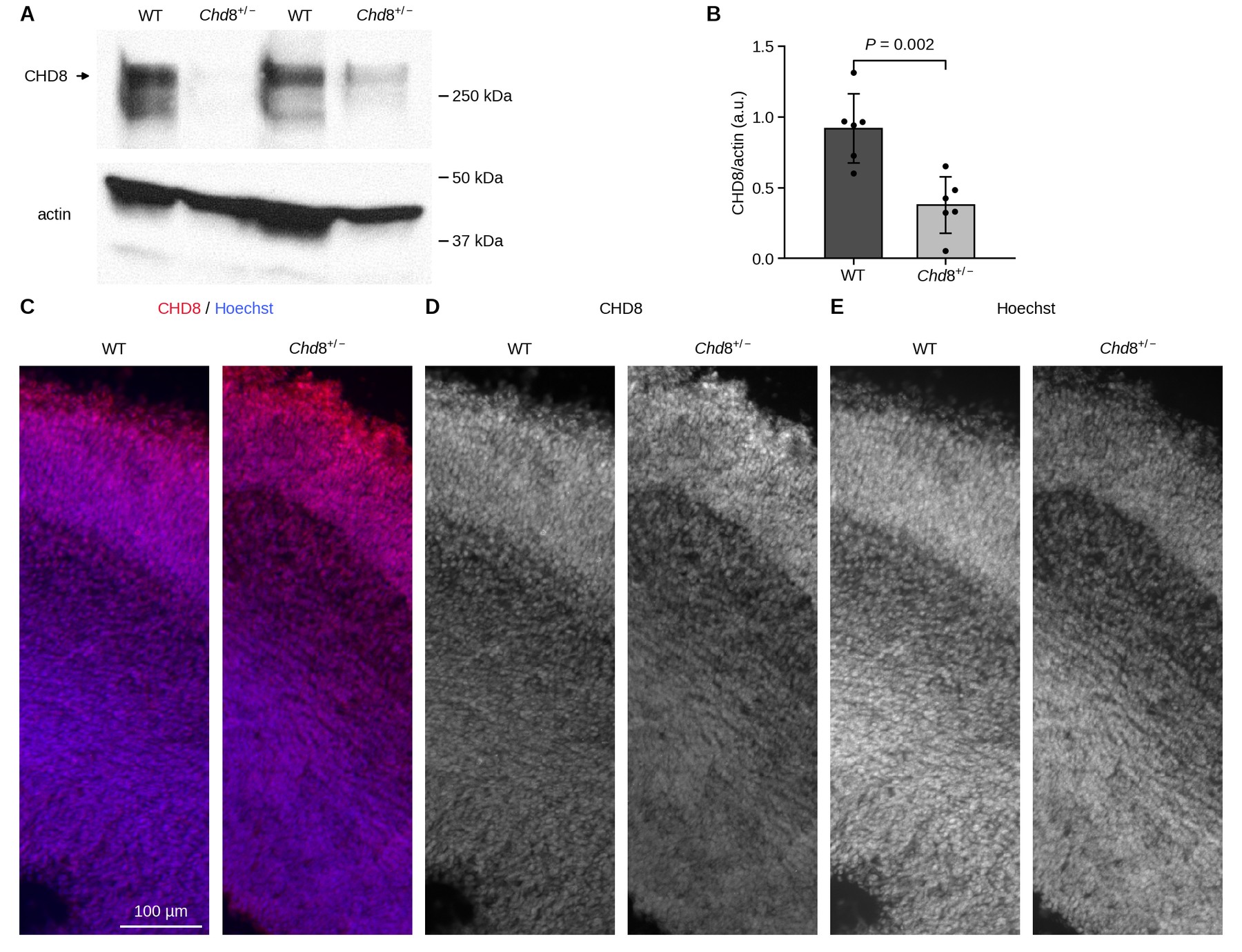
I offer figure preparation for researchers: statistical panels in GraphPad Prism, multi-panel figures assembled in Illustrator to a journal's specifications, and graphical abstracts drawn from vector elements rather than stock artwork. To discuss a manuscript, message me on Upwork or email me with the target journal and what you have so far.
Selected work